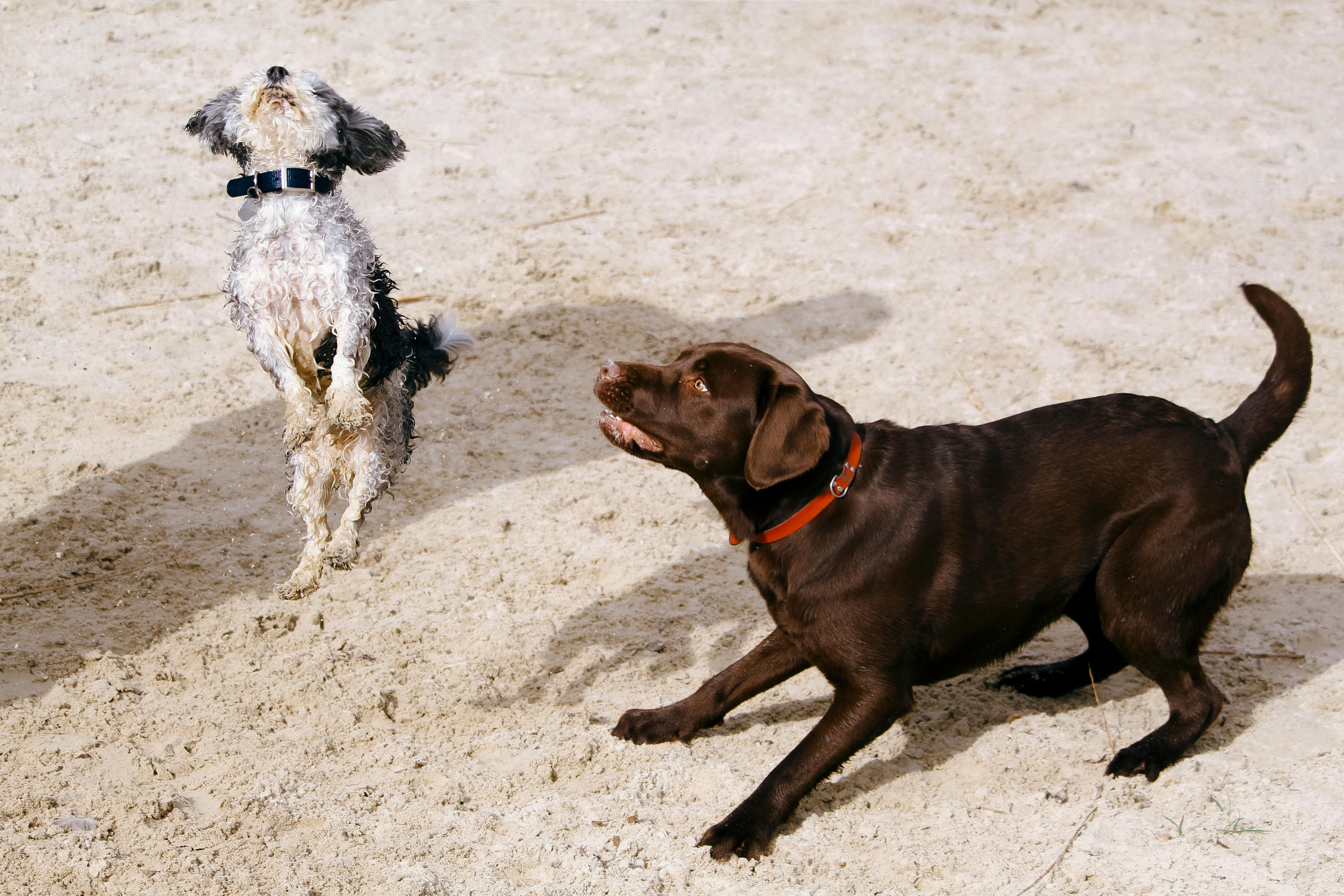
Starting a social routine for a young dog can feel overwhelming, especially when the terminology is new and the options seem endless. A puppy play group offers a controlled, supervised environment where puppies can practice essential social skills, burn excess energy, and learn appropriate behavior around other dogs and people. This guide breaks down the fundamentals of puppy play groups, outlines their benefits, and provides practical steps for selecting and preparing for the right group for your canine companion.
What Is a Puppy Play Group?
A puppy play group is a scheduled gathering, usually held at a park, community center, or pet-friendly facility, where puppies (typically up to 12-18 months old) interact under the supervision of trained staff or experienced volunteers. The sessions focus on gentle play, basic obedience cues, and exposure to a variety of stimuli such as different surfaces, sounds, and other animals. The structured setting helps prevent the development of fear-based reactions and promotes confidence.
For more detailed information on how these sessions are organized, Read more about this topic.
Benefits of Joining a Play Group
Engaging in regular group play offers measurable advantages for both puppies and their owners. The following points highlight why many trainers recommend early socialization in a group setting:
- Social Skills Development: Interaction with other puppies teaches bite inhibition, appropriate body language, and turn-taking.
- Confidence Building: Exposure to new environments and sounds reduces anxiety in future situations such as vet visits or travel.
- Physical Exercise: Structured play provides a safe outlet for high energy levels, supporting healthy growth and joint development.
- Owner Education: Facilitators often demonstrate training techniques, allowing owners to practice commands and handling in real-time.
- Early Problem Detection: Behavioral issues like excessive aggression or fear can be identified and addressed promptly.
If you’d like to explore the broader impact of socialization, Learn more in this detailed guide.
How to Choose the Right Play Group
Not every play group fits every puppy. Consider the following criteria to ensure the environment aligns with your dog’s developmental stage and temperament.
Location and Accessibility
- Choose a venue that is easy to reach and has a secure, fenced area.
- Check for indoor options in case of extreme weather.
Supervision Quality
- Facilitators should have experience with canine behavior and be able to intervene calmly when needed.
- Look for groups that maintain a low puppy-to-adult ratio to keep interactions manageable.
Group Size and Composition
- Ideal groups consist of 6-12 puppies of similar age and size, minimizing dominance struggles.
- Groups that separate puppies by vaccination status help protect vulnerable animals.
For a practical checklist, Explore further insights here.
Preparing Your Puppy for the First Session
A successful first visit sets the tone for future attendance. Follow these steps to make the experience positive for both you and your puppy:
- Vaccination Verification: Ensure your puppy has received core vaccinations and bring proof of health.
- Leash Introduction: Practice walking on a loose leash to avoid pulling during the group’s arrival.
- Basic Commands: Reinforce “sit,” “stay,” and “come” so you can maintain control if the play becomes too rough.
- Pack Essentials: Bring water, a towel, and waste bags. A small, quiet toy can help redirect attention if needed.
- Stay Calm: Your demeanor influences your puppy’s confidence; speak in a reassuring tone and avoid over-excitement.
Additional preparation tips can be found by Find additional information here.
Safety and Etiquette Tips
Maintaining a safe, respectful environment benefits all participants. Observe these guidelines during every session:
- Keep a close eye on body language, signs of fear or aggression should be addressed immediately.
- Do not bring food treats unless the facilitator approves, as they can trigger resource guarding.
- Allow puppies to take breaks on the sidelines to prevent overstimulation.
- Respect the facilitator’s instructions; they are there to ensure the group runs smoothly.
- Clean up after your puppy promptly to keep the area hygienic for everyone.
Frequently Asked Questions
How often should a puppy attend a play group?
Most experts recommend 1-2 sessions per week for puppies under 12 months. Consistency reinforces social skills without causing burnout.
What if my puppy is shy or reluctant to play?
Allow the puppy to observe from the perimeter initially. Gradual exposure, combined with positive reinforcement, helps build confidence over time.
Can adult dogs join a puppy play group?
Adult dogs are typically excluded to protect puppies from accidental injuries and to keep the focus on early socialization.
Is it necessary to have my puppy fully house-trained before attending?
While basic house-training is helpful, facilitators understand that puppies may have accidents. Consistent routine and quick clean-up are sufficient.
What if my puppy shows signs of aggression?
Report any concerning behavior to the facilitator immediately. They can intervene, assess the situation, and suggest individualized training if needed.
For a comprehensive overview of common concerns and solutions, Read more about this topic.
About the Author