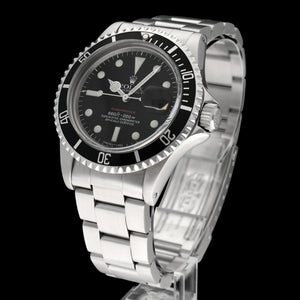
The market for vintage luxury timepieces has evolved from a niche hobby into a recognized asset class. Collectors and investors alike are drawn to these watches because they combine tangible craftsmanship with the potential for strong, long-term capital appreciation. Unlike many modern commodities, a well-chosen vintage watch can retain its allure across generations, offering both aesthetic pleasure and financial benefit. Understanding the dynamics that drive value, as well as the practical steps needed to enter the market, is essential for anyone considering this unique form of investment.
Why Vintage Luxury Watches Are Considered Smart Investments
Several intrinsic qualities make vintage watches attractive to investors:
- Scarcity: Limited production runs and the passage of time reduce supply, often creating a supply-demand imbalance that pushes prices upward.
- Historical Significance: Pieces that embody a particular era, design breakthrough, or technological milestone tend to hold cultural value that transcends pure material worth.
- Tangible Asset: Unlike digital assets, a watch can be stored, displayed, and enjoyed while still contributing to a diversified portfolio.
- Proven Track Record: Over the past two decades, many iconic models have consistently outperformed traditional equities during market downturns. Read more about this topic.
Key Factors That Influence Value
When evaluating a vintage timepiece, investors should focus on several measurable criteria:
Condition and Originality
- Original parts (dial, hands, movement) significantly increase desirability.
- Minimal restoration preserves authenticity; extensive refurbishment may lower value.
Provenance and Documentation
- Original receipts, service records, and box sets provide verifiable history.
- Well-documented ownership chains add confidence for future buyers.
Model Rarity
- Limited edition releases or models produced in small numbers are especially prized.
- Variants with unique complications (e.g., chronographs, moon phases) command premium prices.
For a deeper dive into these considerations, Learn more in this detailed guide.
Authentication: Protecting Your Investment
Authenticating a vintage watch is a critical step that safeguards against counterfeit risks. Professional appraisal services, serial-number verification, and movement inspection are standard practices. When possible, obtain an independent authentication report from a recognized expert before finalizing a purchase.
- Check serial numbers against manufacturer archives.
- Examine the movement for signs of original finishing and wear patterns.
- Verify that the case, dial, and hands match the model’s original specifications.
Further guidance on authentication methods can be found here: Explore further insights here.
Market Trends and Timing
The vintage watch market is influenced by macroeconomic factors, cultural shifts, and collector sentiment. Recent trends show a growing interest from younger investors who view watches as a blend of fashion and finance. Seasonal auction cycles, major watch exhibitions, and media coverage often create short-term price spikes.
- Economic downturns may temporarily depress prices, presenting buying opportunities.
- High-profile events (e.g., international watch fairs) can boost demand for specific models.
- Online marketplaces have increased accessibility, expanding the buyer pool.
To stay updated on evolving trends, Find additional information here.
Risks and Mitigation Strategies
As with any investment, vintage watches carry inherent risks. Understanding and managing these risks is essential for long-term success.
- Liquidity Risk: While some models sell quickly, others may require extended holding periods.
- Market Volatility: Prices can fluctuate based on collector sentiment and broader economic conditions.
- Counterfeit Threat: Rigorous authentication reduces exposure to fraudulent pieces.
- Storage and Maintenance: Proper climate-controlled storage preserves condition and value.
Practical Steps to Begin Investing
A systematic approach helps new investors build a solid foundation.
- Research Extensively: Study model histories, price trajectories, and reputable sources of information.
- Set a Budget: Determine how much capital you are willing to allocate, keeping in mind acquisition, authentication, and storage costs.
- Engage Experts: Build relationships with seasoned collectors, certified appraisers, and trusted dealers.
- Start Small: Acquire a piece with modest price appreciation potential to gain experience before scaling up.
- Document Everything: Keep detailed records of purchase, authentication certificates, and any restoration work.
For a comprehensive checklist, Read more about this topic.
Conclusion
Investing in vintage luxury watches offers a compelling mix of aesthetic enjoyment and financial upside when approached with diligence and knowledge. By assessing scarcity, condition, provenance, and market dynamics, and by employing rigorous authentication and risk-management practices, investors can position themselves to benefit from the enduring appeal of these timeless objects. As the market continues to mature, disciplined collectors who prioritize education and transparency are likely to see the most rewarding outcomes.
About the Author