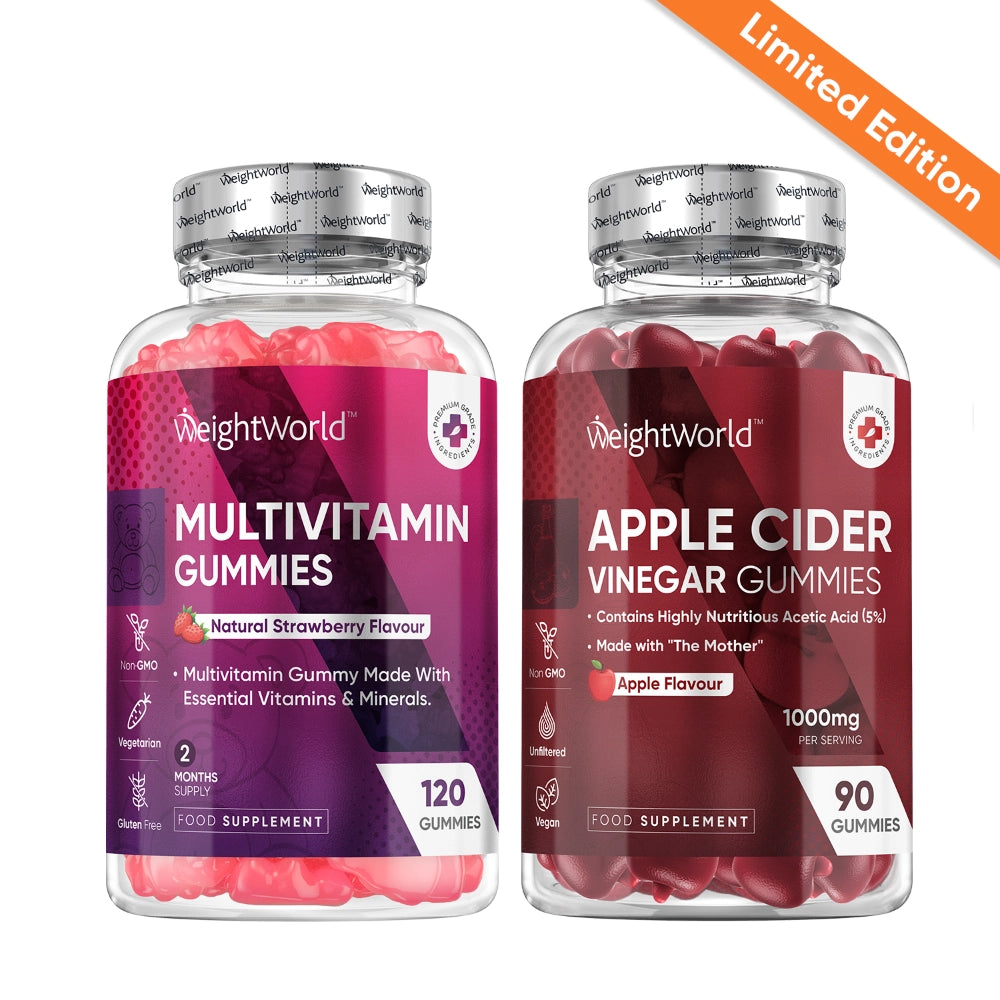
The world of dietary supplements can be both exciting and overwhelming, particularly when navigating the diverse offerings available in the UK market. Whether you’re looking to boost your immune system, support your fitness goals, or enhance overall wellbeing, understanding the nuances of supplements is key. With a variety of options ranging from vitamins and minerals to herbal extracts and probiotics, this guide aims to demystify the landscape of supplements in the UK, helping you make informed decisions for your health and lifestyle.
Understanding Supplements
Supplements are products designed to augment your daily intake of nutrients, including vitamins, minerals, amino acids, and other vital substances. They come in various forms, such as tablets, capsules, powders, and liquids, each tailored to suit different preferences and needs.
Types of Supplements
- Vitamins and Minerals: Essential for maintaining bodily functions, these supplements can help fill nutritional gaps in your diet.
- Herbal Supplements: Derived from plants, these are often used for their therapeutic properties.
- Probiotics: These are beneficial bacteria that support gut health and overall digestion.
- Protein Supplements: Popular among athletes, they aid in muscle repair and growth.
To discover expert strategies here on choosing the right type of supplement for your needs, consider your health goals and dietary restrictions.
Regulations in the UK
In the UK, supplements are regulated by the Food Standards Agency (FSA) and must comply with specific guidelines to ensure safety and efficacy. This includes clear labeling and evidence of health claims. It’s crucial to purchase supplements from reputable sources to guarantee quality and compliance with these regulations.
Key Regulatory Aspects
- Labeling Requirements: All supplements must list ingredients, dosage, and any potential allergens.
- Health Claims: Any claims about benefits must be supported by scientific evidence.
- Quality Assurance: Look for products that have been tested for purity and potency.
For more about this approach to regulatory compliance and product quality, it’s beneficial to stay informed about the latest industry standards.
Choosing the Right Supplements
Selecting the appropriate supplements involves considering several factors, including your health objectives, dietary needs, and lifestyle. Consulting with healthcare professionals can also provide personalized recommendations.
Factors to Consider
- Health Goals: Identify whether you need supplements for general health, specific deficiencies, or performance enhancement.
- Dietary Restrictions: Ensure the supplement is compatible with any dietary limitations you may have, such as vegan or gluten-free options.
- Lifestyle Considerations: Consider how supplements fit into your daily routine and long-term health plans.
To learn about tailored solutions that align with your individual health journey, explore available resources that offer customized guidance.
Integrating Supplements into Your Routine
Incorporating supplements into your daily life requires consistency and mindfulness. It’s advisable to start with a manageable regimen and gradually introduce new products as needed.
Tips for Successful Integration
- Consistency is Key: Take supplements at the same time each day to build a routine.
- Monitor Your Progress: Keep track of any changes in your health or wellbeing to assess the effectiveness of the supplements.
- Be Informed: Stay updated with advanced guides and tips to ensure you are using supplements safely and effectively.
In conclusion, while supplements can offer significant health benefits, they should be used thoughtfully and in conjunction with a balanced diet and healthy lifestyle. For those in the UK, the wealth of available options provides ample opportunity to support various health goals. By staying informed and making educated choices, you can enhance your wellbeing and achieve a healthier future.
About the Author