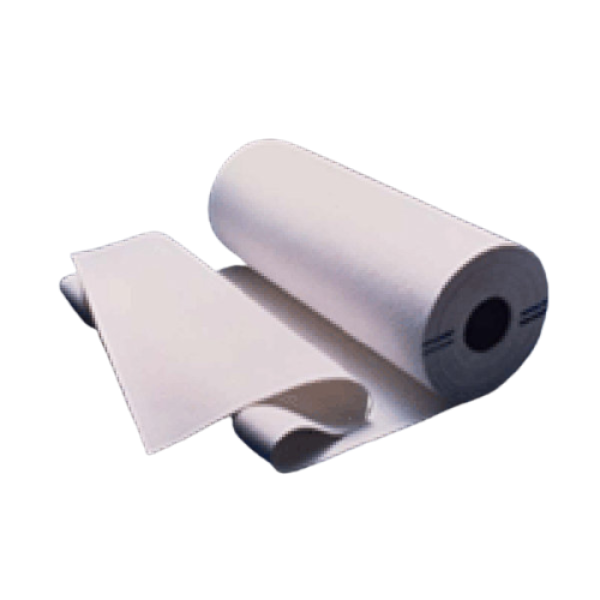
In the world of glass fusing and ceramics, kiln paper plays a vital role in ensuring the success and quality of the finished product. This material, often overlooked, acts as a barrier between the kiln shelf and the glass or clay, preventing sticking and ensuring a smooth finish. Understanding the nuances of kiln paper can elevate one’s craft, leading to more refined and professional results. This guide delves into the various aspects of kiln paper, from its types and uses to expert tips on its application.
What is Kiln Paper?
Kiln paper is a specially formulated material designed to withstand high temperatures, typically used in kilns during glass fusing, ceramics, and metal clay projects. It serves as a disposable liner for kiln shelves, offering a protective barrier that prevents glass or clay from adhering to the shelf during firing.
- Prevents sticking: Kiln paper allows for easy release of the material after firing.
- Protects kiln shelves: It acts as a protective layer, safeguarding the kiln shelves from glaze drips or glass fusing.
- Enhances finish: Provides a smoother surface finish to the fired piece.
Types of Kiln Paper
There are various types of kiln paper available, each catering to different needs and preferences. Understanding the differences can help select the right paper for each project.
Fiber Kiln Paper
Fiber kiln paper, such as the Fiberfrax 1/32″ Fiber Kiln Shelf Paper, is known for its durability and high-temperature resistance. This type of paper is ideal for projects that require a smooth finish and need to withstand prolonged exposure to heat.
Thinfire Kiln Paper
Thinfire kiln paper is a thinner alternative, designed to leave a finer texture on the finished piece. It’s often preferred for projects where detail is crucial. Learn about our tailored solutions for using different types of kiln paper.
How to Use Kiln Paper
Proper application of kiln paper is essential for achieving optimal results. Here are some steps and tips to consider:
- Cut to Size: Trim the kiln paper to fit the kiln shelf, ensuring it covers the entire area where the project will be placed.
- Smooth Application: Lay the paper flat on the shelf, smoothing out any wrinkles or bubbles.
- Single Use: Typically, kiln paper is designed for one-time use, as it degrades during the firing process.
For more detailed instructions, explore advanced guides and tips on proper usage and application techniques.
Benefits of Using Kiln Paper
Utilizing kiln paper offers several advantages that contribute to the overall quality and efficiency of the crafting process:
- Time-Saving: Reduces the need for extensive cleaning of kiln shelves post-firing.
- Cost-Effective: Protects kiln shelves from damage, extending their lifespan.
- Quality Enhancement: Ensures a professional finish on the crafted piece, minimizing imperfections.
To find out more about this approach, consider reviewing specific product features and user reviews.
Expert Tips for Optimal Results
For those looking to maximize the benefits of kiln paper, consider the following expert strategies:
- Layering: In some cases, using multiple layers of kiln paper can provide extra protection and a smoother finish.
- Temperature Control: Ensure that kiln settings are appropriate for the type of paper being used to prevent premature degradation.
- Trial and Error: Different projects may require different approaches; experimenting can lead to discovering optimal techniques.
Discover expert strategies here to refine your kiln paper usage and enhance your craft.
In conclusion, kiln paper is an invaluable tool for anyone involved in glass fusing or ceramics. By selecting the appropriate type and using it effectively, artisans can greatly improve the quality and appearance of their work. Whether a beginner or a seasoned professional, understanding and utilizing kiln paper can lead to more successful and rewarding projects.
About the Author