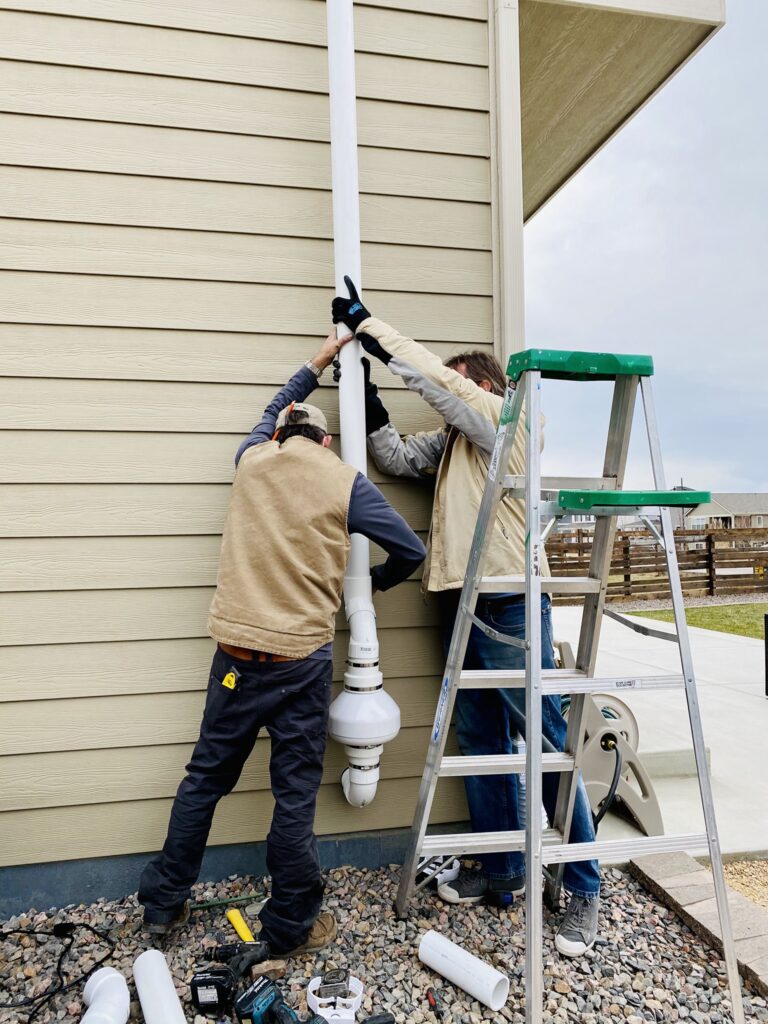
Radon is a naturally occurring radioactive gas that can pose significant health risks to those exposed to it over extended periods. In Denver, radon levels are particularly concerning due to the region’s geological composition. Prolonged exposure to high concentrations of radon is linked to an increased risk of lung cancer. Consequently, understanding the importance of radon mitigation is crucial for homeowners and businesses alike. This article delves into the benefits of radon mitigation in Denver, providing insights into why it is a necessary consideration for anyone living in this area.
Understanding Radon and Its Risks
Radon is colorless, tasteless, and odorless, making it undetectable without proper testing. The gas is formed from the natural decay of uranium found in soil, rock, and water, and it can accumulate in homes, particularly in lower levels such as basements and ground floors.
- Radon is the second leading cause of lung cancer after smoking.
- High levels of radon can be found in over 50% of homes in the Denver area.
- Testing is the only way to determine radon levels in a property.
The Importance of Radon Mitigation
Mitigating radon levels in properties can significantly reduce health risks. Professional mitigation systems can lower radon concentrations effectively and provide peace of mind to homeowners. Learn about our tailored solutions to ensure safe living environments.
Health Benefits
By reducing radon levels, homeowners can greatly diminish the risk of lung cancer. This is particularly important in homes with children or individuals who spend a significant amount of time indoors.
- Reduces the risk of lung cancer for non-smokers and smokers alike.
- Improves overall indoor air quality.
- Increases safety and well-being of inhabitants.
Financial Benefits
Radon mitigation not only improves health but also enhances property value. Homes with a radon mitigation system can be more attractive to potential buyers who are aware of the dangers of radon exposure.
- Increases property marketability and value.
- Potentially reduces future medical costs related to radon exposure.
- Offers long-term savings with a relatively low initial investment.
Implementing Radon Mitigation
Professional radon mitigation involves the installation of systems that reduce radon levels efficiently. There are various methods tailored to different types of buildings and radon levels. Explore advanced guides and tips on implementing these systems in Denver.
Choosing the Right System
The choice of radon mitigation system depends on several factors, including the construction of the building, the level of radon, and the homeowner’s budget. Consulting with experts can help determine the most effective solution. Discover expert strategies here to ensure optimal outcomes.
- Sub-slab depressurization is a common method for homes with basements.
- Sealing cracks and openings can complement other mitigation techniques.
- Ventilation improvements can help reduce radon levels.
Conclusion
In Denver, addressing radon concerns is not just about compliance; it’s about safeguarding health and enhancing property value. Effective radon mitigation can transform a home into a safe haven, free from the invisible threat of radon. Find out more about this approach to protect your home and loved ones.
About the Author