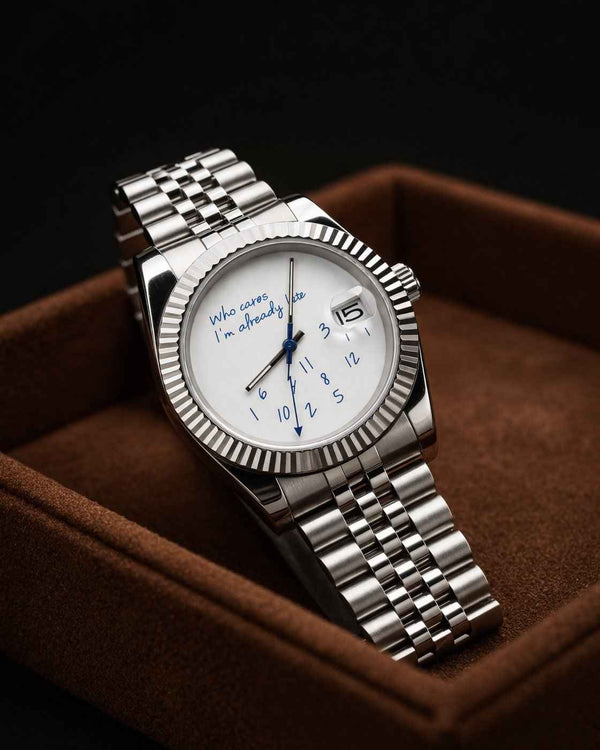
Swiss-style watches have long stood as symbols of precision, elegance, and enduring craftsmanship. From the meticulous assembly of hundreds of tiny components to the rigorous testing that each timepiece endures, the Swiss watchmaking tradition blends art with engineering. This article explores the key elements that define Swiss style watches, the heritage behind their creation, and the reasons why collectors and connoisseurs continue to prize them decades after their inception.
The Heritage of Swiss Watchmaking
The roots of Swiss horology trace back to the 16th century, when the Protestant Reformation spurred a demand for portable timekeeping devices to regulate church bells. Over centuries, families such as the Blancpain, Patek”?Philippe, and Audemars”?Piguet refined techniques that would become industry standards. Today, the legacy lives on through:
- Family-run ateliers that preserve centuries-old methods.
- Technical schools that train new generations of watchmakers.
- Regulatory bodies like the “Swiss Made” label, guaranteeing authenticity.
Core Elements of Craftsmanship
1. Mechanical Movements
At the heart of every Swiss style watch lies a mechanical movement, either manual or automatic. These movements are celebrated for:
- High-frequency oscillators that improve accuracy.
- Complex complications such as chronographs, moon phases, and tourbillons.
- Finely finished components, often hand-decorated with C??tes de Gen??ve or perlage.
For a deeper dive into the intricacies of movement design, Explore advanced guides and tips that break down each element.
2. Materials and Finishes
Swiss watchmakers select only the finest materials, ensuring durability and aesthetic appeal:
- Stainless steel grades (316L, 904L) for corrosion resistance.
- Precious metals, 18-carat gold, platinum, for luxury editions.
- Sapphire crystal, scratch-resistant and optically clear.
- Leather, alligator, and high-tech composites for straps.
3. Design Philosophy
The design of a Swiss style watch balances form and function. Clean dials, legible indices, and proportionate cases reflect a timeless aesthetic that avoids fleeting trends. This restraint is why a classic Swiss watch remains appropriate for both boardrooms and casual outings.
Quality Assurance and Testing
Before a watch leaves the factory, it undergoes a series of rigorous tests designed to guarantee performance under real-world conditions:
- Chronometer certification: Movements are tested by the COSC (Contr??le Officiel Suisse des Chronom??tres) for ??”?4 seconds per day.
- Water resistance: Pressure chambers simulate depths up to 300″?m or more.
- Shock and magnetic resistance: Simulated impacts and magnetic fields ensure reliability.
- Long-term wear trials: Sample watches are worn for months to assess durability of straps and cases.
Industry resources such as Find out more about this approach provide comprehensive overviews of testing standards.
Collecting Swiss Style Watches
For enthusiasts, building a collection is more than acquiring accessories; it’s an investment in heritage and engineering. Consider these guidelines when curating a portfolio:
- Focus on iconic models with proven resale value.
- Prioritize watches with documented service history.
- Balance between complications (e.g., tourbillon) and classic three-hand designs.
- Stay informed about market trends through reputable forums and specialist retailers.
Guidance on building a thoughtful collection can be found at Discover expert strategies here, where seasoned collectors share insights.
Sustainable Practices in Modern Swiss Watchmaking
Environmental responsibility has become a focal point for many Swiss manufacturers. Initiatives include:
- Recycling metal scraps and re-using watch components.
- Utilizing responsibly sourced gold and conflict-free diamonds.
- Implementing renewable energy in production facilities.
Brands that adopt these practices often provide detailed reports. To explore how sustainability integrates with traditional craftsmanship, Learn about our tailored solutions that highlight eco-friendly innovations.
The Future of Swiss Style Watches
While digital devices dominate daily timekeeping, Swiss watches continue to thrive as symbols of personal expression and mechanical mastery. Emerging trends point toward:
- Hybrid models that combine mechanical movements with smart-technology discreetly.
- Limited-edition collaborations with artists and designers.
- Increased customization options, allowing owners to select dial colors, strap materials, and engravings.
For forward-looking perspectives on where the industry is headed, Explore advanced guides and tips that discuss upcoming innovations.
Conclusion
The allure of Swiss style watches lies in their unwavering commitment to precision, artistry, and durability. Whether admired on a wrist or studied in a workshop, each piece reflects a legacy that has been meticulously honed over centuries. By understanding the craftsmanship, testing standards, and evolving trends, enthusiasts can appreciate why these timepieces remain the benchmark of horological excellence.
About the Author

