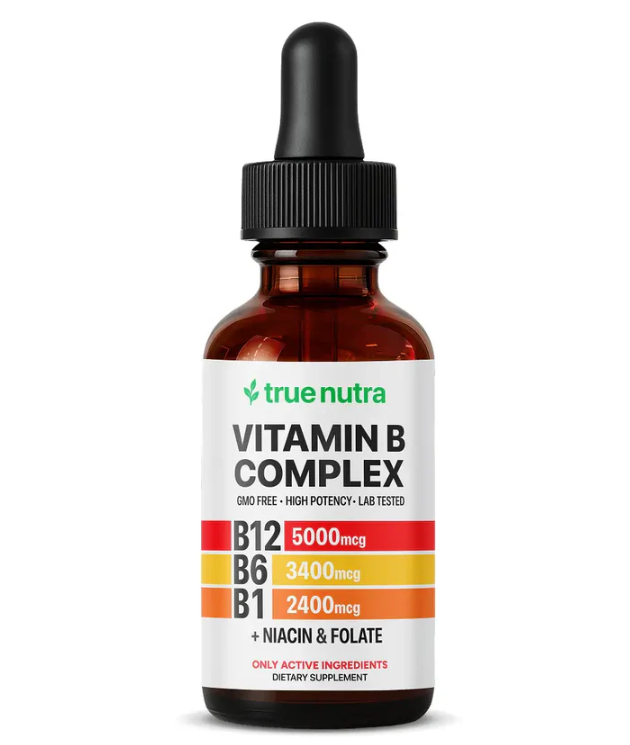
A robust immune system is the cornerstone of overall health, especially during seasons of heightened viral activity. While many focus on vitamins”?C and”?D, the role of the B-vitamin family is often overlooked despite its critical involvement in cellular energy production, stress regulation, and the synthesis of immune-supportive molecules. Integrating a high-quality Vitamin”?B Complex can help bridge nutritional gaps, sustain energy levels, and reinforce the body’s natural defenses. Below, the science behind each B-vitamin is explored, along with practical steps to make the most of this essential nutrient group.
Understanding Vitamin”?B Complex
Vitamin”?B Complex refers to a group of eight water-soluble vitamins that work synergistically. Unlike isolated supplements, a balanced complex ensures that each B-vitamin is present in a proportion that mirrors natural dietary sources, reducing the risk of imbalances that could hinder immune performance.
- B1 (Thiamine): Supports carbohydrate metabolism, providing energy for immune cells.
- B2 (Riboflavin): Essential for the production of antibodies and the maintenance of mucosal barriers.
- B3 (Niacin): Influences the activity of white blood cells and reduces inflammation.
- B5 (Pantothenic Acid): Crucial for the synthesis of co-enzyme A, a molecule central to immune signaling.
- B6 (Pyridoxine): Directly involved in the creation of lymphocytes and cytokines.
- B7 (Biotin): Though best known for skin health, it also assists in cellular replication.
- B9 (Folate): Supports DNA synthesis, vital for rapidly dividing immune cells.
- B12 (Cobalamin): Aids in the formation of red blood cells and the proper functioning of the nervous system, both of which impact immune resilience.
Key B Vitamins for Immune Support
While each B-vitamin contributes uniquely, three stand out for their direct impact on immune mechanisms:
Vitamin”?B6 (Pyridoxine)
B6 is a co-factor in the production of immunoglobulins and interleukins. Deficiency can lead to reduced antibody response, making infections more likely. For a deeper dive on optimal intake, Discover expert strategies here.
Vitamin”?B9 (Folate)
Folate fuels the rapid division of T-cells and B-cells during an immune challenge. Adequate levels also help regulate homocysteine, a marker linked to inflammation. Learn about our tailored solutions for maintaining optimal folate status.
Vitamin”?B12 (Cobalamin)
B12 supports the maturation of neutrophils and the integrity of the gut barrier, a primary defense line against pathogens. For practical supplementation tips, Explore advanced guides and tips.
How Vitamin”?B Complex Enhances Immune Function
The immune system relies on a cascade of biochemical reactions that demand energy and precise signaling. Vitamin”?B Complex fuels these processes in several ways:
- Energy Production: B-vitamins convert carbohydrates, fats, and proteins into ATP, the energy currency immune cells need to migrate, phagocytose, and proliferate.
- Stress Mitigation: B-vitamins, particularly B5 and B6, help regulate cortisol, reducing chronic stress that can suppress immunity.
- DNA & RNA Synthesis: Folate and B12 are indispensable for the replication of immune cells during an active response.
- Antioxidant Support: Riboflavin (B2) works with glutathione, protecting immune cells from oxidative damage.
For a comprehensive overview of how these mechanisms translate into everyday health, Find out more about this approach.
Incorporating Vitamin”?B Complex into Your Routine
Consistent intake is more beneficial than occasional high doses. Consider these practical steps:
- Choose a liquid formulation for faster absorption, especially during periods of increased demand.
- Take the supplement with a small meal that contains healthy fats to improve bioavailability.
- Pair B-complex intake with foods rich in vitamin”?C, zinc, and selenium for synergistic immune support.
- Monitor your energy levels and digestive comfort; adjust timing if you notice mild stomach upset.
Safety, Dosage, and Considerations
Because B-vitamins are water-soluble, excess amounts are typically excreted, but extremely high doses of certain B-vitamins (e.g., B6) can cause neuropathy. Recommended daily allowances (RDAs) vary by age, sex, and physiological status. A well-formulated supplement often aligns with these guidelines, offering a balanced blend that avoids megadoses.
Before initiating any new supplement regimen, especially for individuals with medical conditions or those taking prescription medications, consulting a healthcare professional is advisable. The linked product provides transparent labeling and third-party testing, supporting informed decision-making.
By understanding the distinct roles of each B-vitamin and integrating a balanced Vitamin”?B Complex into daily nutrition, you can give your immune system the biochemical foundation it needs to respond efficiently to challenges. The result is not just a temporary boost, but a sustained, resilient defense system that supports overall vitality.
About the Author