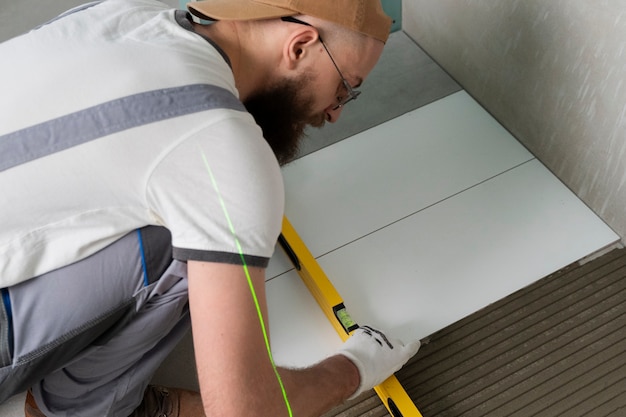
Cracked slab foundations can pose significant challenges to homeowners and property managers. These issues not only affect the structural integrity of a building but can also lead to costly repairs if not addressed promptly. Understanding the causes of slab cracks, the potential risks associated with them, and the effective methods for repair is essential. This article delves into the intricacies of cracked slab repair, offering insights into detection, prevention, and remediation solutions.
Understanding the Causes of Slab Cracks
Several factors can contribute to the formation of cracks in a concrete slab. Identifying these causes is the first step in addressing the problem:
- Soil Movement: Expansive soils that swell and shrink with moisture changes can exert pressure on concrete slabs, leading to cracks.
- Poor Construction Practices: Inadequate compaction or improper curing of the concrete can make slabs susceptible to cracking.
- Environmental Factors: Temperature fluctuations, excessive moisture, and freezing conditions can all contribute to slab deterioration.
- Load Stress: Excessive weight from furniture or vehicles can cause cracks, especially if the slab was not designed to handle such loads.
Risks Associated with Cracked Slabs
Ignoring cracked slabs can lead to a host of problems, including:
- Structural Damage: Over time, cracks can worsen, compromising the building’s structural integrity.
- Water Damage: Cracks can allow water to seep in, leading to moisture-related issues like mold and mildew.
- Decreased Property Value: Visible damage can lower the aesthetic appeal and market value of a property.
Effective Repair Strategies
Addressing slab cracks promptly is crucial to prevent further damage and maintain the safety of the structure. Here are some common repair methods:
Epoxy Injection
This method involves injecting a high-strength epoxy resin into the cracks to bond the concrete back together. It’s effective for narrow cracks where structural integrity needs to be restored.
Slab Jacking
Also known as mudjacking, this technique involves pumping a cement slurry beneath the slab to lift it back to its original position. This is ideal for slabs that have settled due to soil movement. Discover expert strategies here.
Polyurethane Foam Injection
This is a modern approach that uses lightweight polyurethane foam to lift and stabilize the slab. It’s less invasive and provides immediate results. Explore advanced guides and tips.
Prevention and Maintenance
Preventive measures can significantly reduce the risk of slab cracks:
- Proper Drainage: Ensuring water drains away from the foundation can prevent soil movement and moisture-related issues.
- Regular Inspections: Routine checks can catch cracks early before they become major problems. Learn about our tailored solutions.
- Controlled Load: Avoid placing excessive weight on concrete slabs, especially if not designed for heavy loads.
Conclusion
Understanding and addressing cracked slab issues is vital for maintaining the longevity and safety of any structure. With the right knowledge and timely intervention, these problems can be mitigated effectively. For those seeking professional advice and repair services, it’s important to consult with experts who specialize in concrete slab repairs. Find out more about this approach.
About the Author