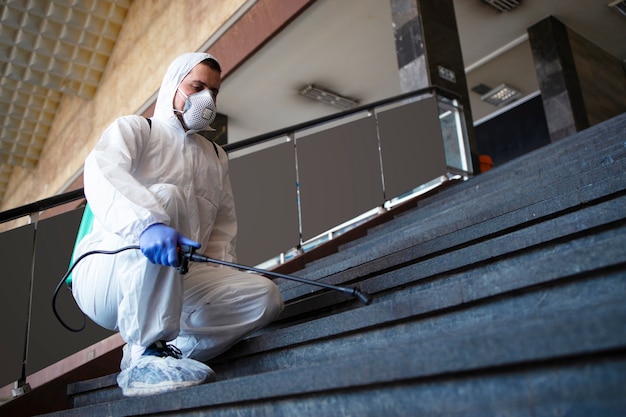
Mold remediation is a critical process for restoring environments affected by mold growth to a safe and healthy state. However, the completion of remediation efforts does not necessarily guarantee the complete elimination of mold. This is where post remediation mold verification becomes essential. It serves as a quality control measure, ensuring that the remediation process was successful and that the risks associated with mold exposure have been properly mitigated. This article delves into the significance of post remediation verification, the processes involved, and why it’s paramount for ensuring a safe environment.
Understanding Post Remediation Mold Verification
Post remediation verification is a comprehensive assessment conducted after mold remediation to ensure that mold levels have returned to normal and that the area is safe for occupation. This process involves:
- Visual inspection to confirm the absence of mold and moisture.
- Air sampling and surface testing to ensure that mold spore levels are within acceptable limits.
- Moisture assessments to check that the root cause of mold growth has been addressed.
For those interested in the methodologies and best practices used during verification, discover expert strategies here.
Why Post Remediation Verification is Crucial
Post remediation verification is not just an additional step; it is a critical component in ensuring the success of mold remediation. Here are several reasons why it is indispensable:
Health and Safety
Mold exposure can lead to a variety of health issues, ranging from allergic reactions to severe respiratory problems. Ensuring that the environment is free from mold is essential for the health and safety of occupants. Find out more about this approach.
Peace of Mind
Conducting a post remediation verification provides peace of mind to property owners, assuring them that their space is safe and healthy. Check out customer reviews here to see what others are saying about us.
Prevention of Future Mold Growth
Verification ensures that the underlying causes of mold growth, such as moisture intrusion, have been effectively addressed. This significantly reduces the risk of mold returning. Learn about our tailored solutions that help prevent future issues.
How Post Remediation Verification is Conducted
The process of post remediation verification involves several key steps:
- Visual Inspection: A thorough inspection is carried out to ensure no visible mold is present.
- Air and Surface Sampling: Samples are collected for laboratory analysis to assess mold spore levels.
- Moisture Testing: Moisture levels in building materials are checked to ensure they are within safe limits.
For a detailed breakdown of the verification process, explore advanced guides and tips.
Conclusion
Post remediation mold verification is an essential step in the mold remediation process, providing assurance that the environment is safe and the mold problem has been effectively resolved. By understanding and implementing this crucial step, the risk of future mold issues can be greatly minimized, ensuring a safe and healthy environment for all occupants.
About the Author