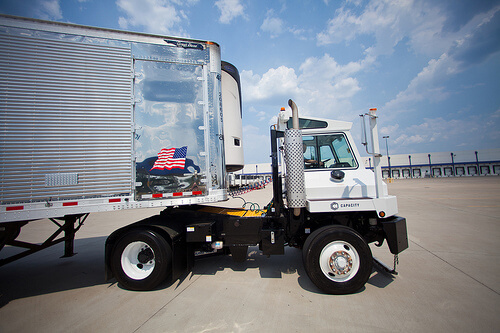
In the bustling city of Atlanta, where logistics and transport are pivotal to the economy, efficient yard operations are crucial for businesses looking to maintain a competitive edge. A robust yard management system can streamline operations, enhance productivity, and significantly reduce operational costs. For companies aiming to optimize their yard operations, understanding the key components of an effective system is essential. This article delves into the methodologies and tools that can transform yard management and provide a sustainable solution to operational challenges.
Understanding Yard Management Systems
Yard management systems (YMS) are designed to oversee the movement of vehicles and goods within a yard. They play a critical role in ensuring that operations are seamless and efficient. These systems provide insights into the status of shipments, improve communication between logistics teams, and enhance overall operational efficiency. Discover expert strategies here.
Key Features of an Effective YMS
- Real-Time Visibility: The ability to track and monitor all yard activities in real-time is fundamental. This feature helps in optimizing resource allocation and reducing idle time.
- Automated Scheduling: Automating the scheduling of vehicles and personnel can significantly reduce errors and improve efficiency.
- Data Analytics: A robust YMS should offer analytical tools that provide insights into operations, helping businesses make informed decisions.
- Integration Capabilities: Seamless integration with existing systems ensures smooth operations without the need for overhauling current processes.
For more in-depth information on implementing a comprehensive YMS, find out more about this approach.
Benefits of Optimized Yard Operations
Optimizing yard operations can lead to numerous benefits that extend beyond immediate financial gains. Here are some advantages:
- Enhanced Efficiency: Streamlined operations result in quicker turnaround times and improved asset utilization.
- Cost Reduction: By minimizing delays and maximizing resource use, businesses can significantly cut down on operational costs.
- Improved Safety: Better organization and visibility reduce the risk of accidents and improve the overall safety of the yard.
- Environmental Impact: Efficient operations contribute to less fuel consumption and lower emissions, promoting sustainability.
Organizations interested in leveraging these benefits should learn about our tailored solutions to ensure they are implementing best practices.
Implementing a Robust System in Atlanta
Implementing a yard management system in a dynamic and busy hub like Atlanta requires careful planning and execution. Here are some steps to consider:
Assessment and Planning
- Analyze Current Operations: Understanding current operations is crucial. This involves identifying bottlenecks and areas for improvement.
- Set Clear Objectives: Define what the system should achieve, whether it’s reducing wait times, increasing throughput, or improving safety.
Choosing the Right Technology
- Scalability: Select a system that can grow with the business, accommodating future expansions.
- User-Friendly Interface: Ensure that the system is easy to use and requires minimal training for staff.
Companies looking to implement such systems can explore advanced guides and tips to make informed decisions.
Conclusion
In conclusion, optimizing yard operations in Atlanta with a robust management system is a strategic move that can yield substantial benefits. By focusing on real-time data, automation, and strategic planning, businesses can achieve improved efficiency, reduced costs, and a safer work environment. With the right approach and tools, companies can turn their yard operations into a source of competitive advantage. For businesses eager to transform their yard operations, the journey begins with understanding and implementing effective yard management solutions. Explore advanced guides and tips to start optimizing yard operations today.
About the Author